Your Ultimate Resource for Mastering DTF Transfers
In the world of custom apparel decoration, the ability to create stunning designs efficiently is paramount. DTF (Direct to Film) transfers have emerged as a game-changer for small to medium-sized business owners and hobbyists alike. This innovative printing method allows for vibrant, durable, and detailed designs that can be applied easily to various fabrics. However, achieving the perfect transfer is not just about the technology; it also hinges on understanding how to size your designs correctly. This guide will walk you through everything you need to know about DTF transfers, including essential sizing considerations that ensure your custom designs not only look great but also last long.
As the demand for personalized products continues to grow, knowing how to utilize DTF transfers effectively becomes increasingly important. Whether you are a seasoned decorator or a beginner, mastering this technique can set you apart in a competitive market. By understanding the nuances of size and application, you can enhance your production efficiency and customer satisfaction. This guide aims to equip you with the knowledge needed to navigate the DTF printing landscape successfully, ensuring your designs stand out and meet customer expectations.
Custom apparel decoration is an art that combines creativity and technical skills. With DTF transfers, the opportunity to create unique, personalized products is at your fingertips. However, a common pitfall many encounter is misjudging the size of their designs. This miscalculation can lead to products that are either too small to appreciate the detail or too large to fit appropriately on the garment. Thus, this guide will not only address sizing variations but also provide insights into the practical aspects of DTF printing that will help you achieve flawless results in your custom creations.
Understanding DTF Transfers: A Brief Overview
DTF transfers work by printing designs onto a special film, which is then transferred onto fabric using heat and pressure. This method allows for high-quality prints with excellent color vibrancy and durability. One of the standout features of DTF transfers is their ability to adhere to a wide range of fabrics, including cotton, polyester, and blends. This versatility opens up numerous possibilities for design applications, from t-shirts to bags and beyond. As a business owner or hobbyist, understanding the basics of how DTF transfers function is vital for maximizing your printing capabilities.
When considering DTF transfers, it’s crucial to choose the right printer and inks. The quality of your equipment will directly influence the outcome of your designs. Opting for a printer that supports high-resolution printing will result in sharper images and more vibrant colors. Additionally, using high-quality DTF inks can enhance the longevity of your prints, ensuring they withstand washing and wear. Before diving into the world of DTF transfers, investing in the right tools is essential for achieving the best results possible.
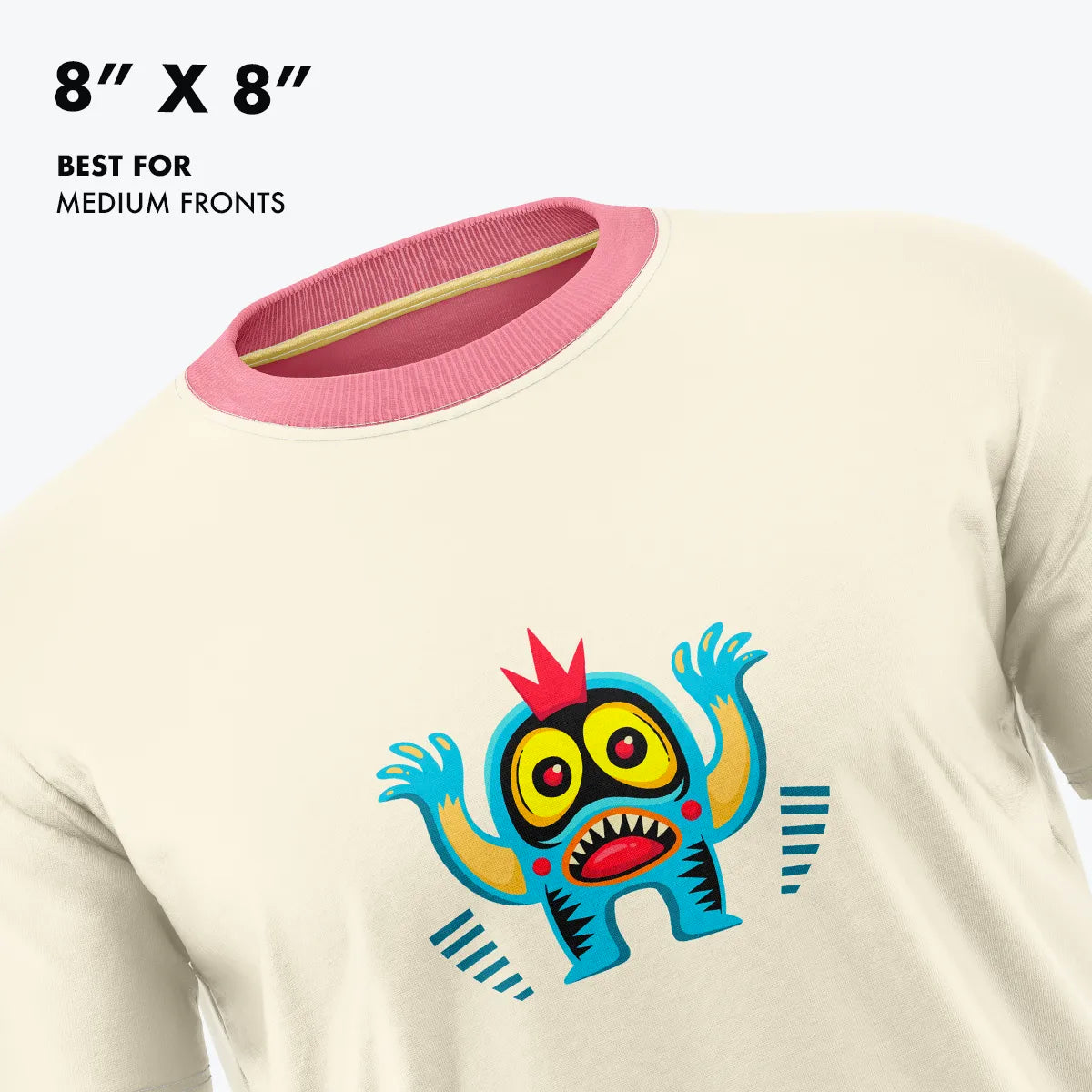
Another important aspect of DTF printing is the design file preparation. The design should be created with the intended size in mind, ensuring it fits the garment perfectly. Using vector graphics is often recommended, as they can be resized without losing quality. Furthermore, maintaining a proper resolution (usually at least 300 DPI) is key to achieving crisp and clear prints. A well-prepared design file sets the foundation for a successful transfer, so take the time to ensure everything is in order before moving forward.
Choosing the Right Design Size
One of the most critical factors in DTF printing is determining the right size for your design. A design that is too large can overwhelm the garment, while a design that is too small may not be visually impactful. Generally, the size of your design should complement the garment's dimensions and style. For example, a large graphic t-shirt typically works well with larger designs, while smaller items like hats or pockets require more compact designs. Therefore, understanding the relationship between design size and garment style is essential. EazyDTF Services visit eazydtf.com
Moreover, it’s advisable to create a mock-up of your design on the garment before finalizing the size. This practice allows you to visualize how the design will appear in real life and make any necessary adjustments. Many design software options offer features that let you create these mock-ups easily. By taking the time to visualize your design, you can avoid costly mistakes and ensure your final product meets your expectations.
Common Size Guidelines for DTF Transfers
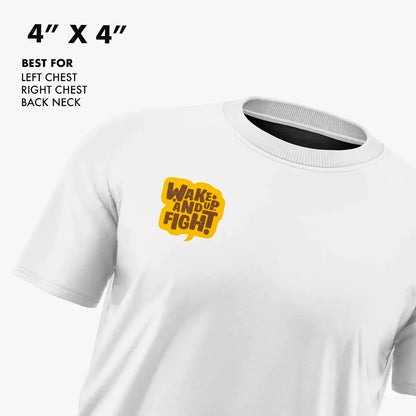
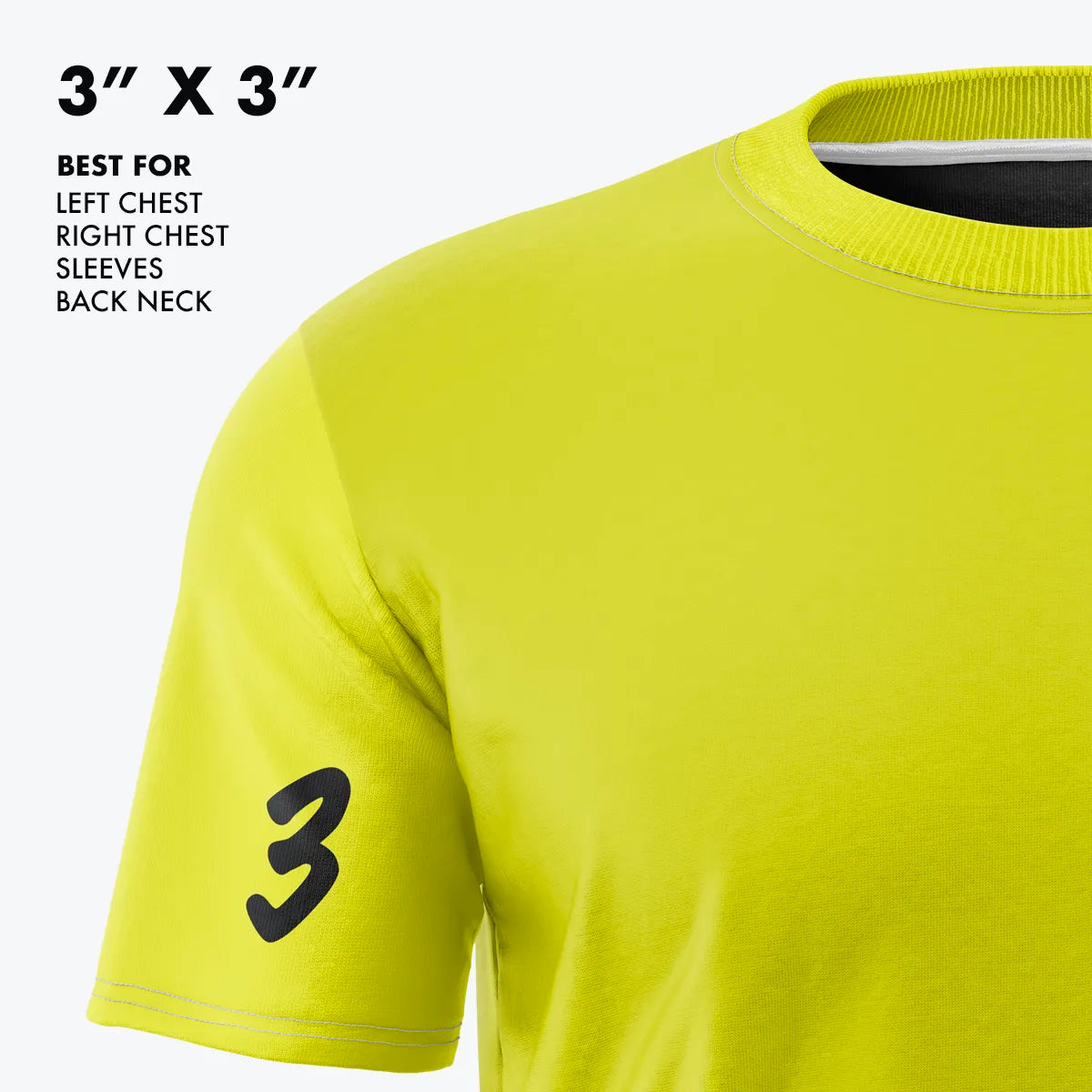
To aid in determining the appropriate size for DTF transfers, here are some general guidelines. For adult t-shirts, a common print size ranges from 10 to 14 inches in width for large designs. For smaller designs, such as logos or text, a width of 3 to 6 inches is often ideal. For items like hoodies, larger designs can extend to 16 inches wide, while smaller designs should remain in the 4 to 8-inch range. It’s essential to remain flexible, as individual preferences and garment styles may dictate variations from these standards.
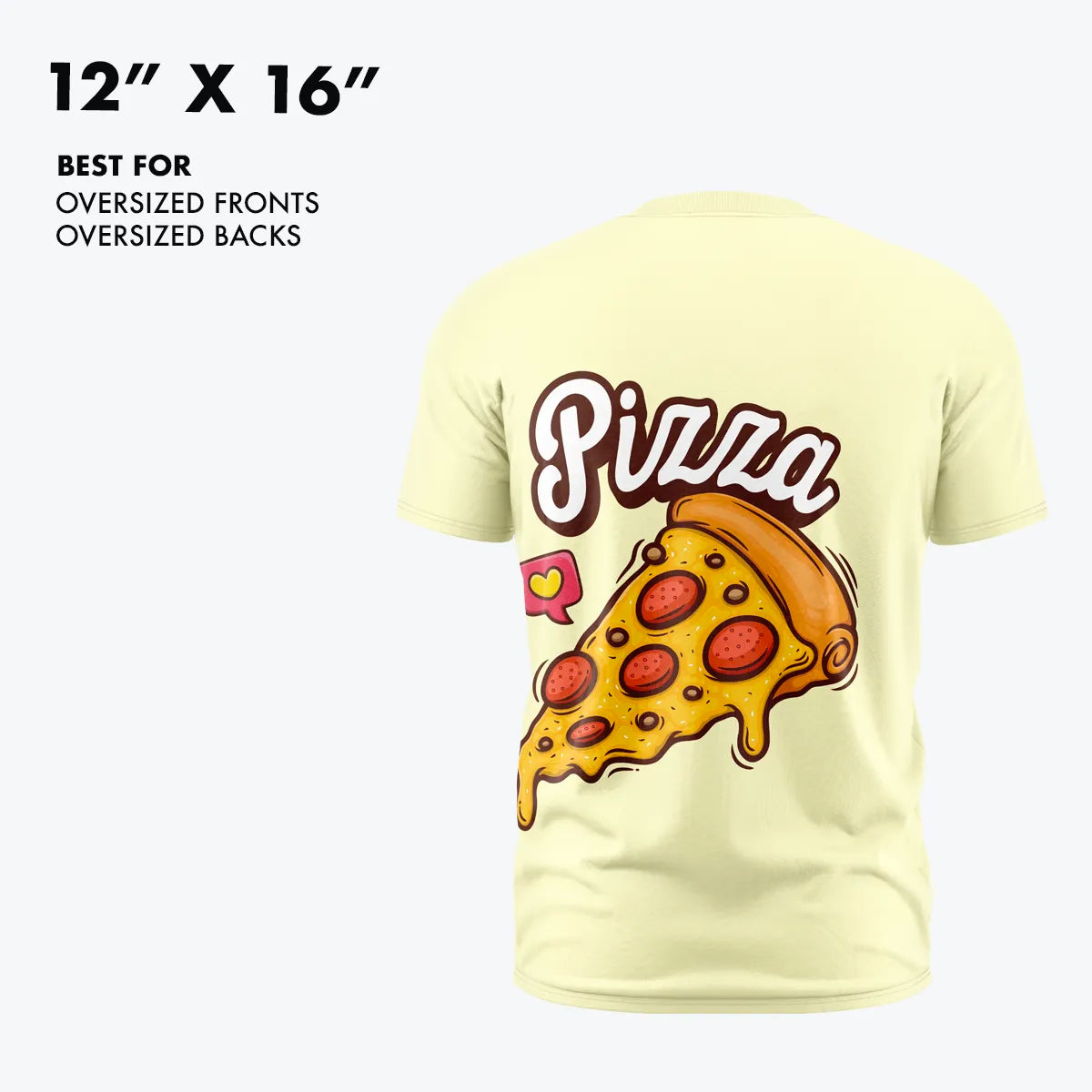
For youth sizes, designs typically range from 8 to 12 inches for larger prints and 2 to 5 inches for smaller logos or designs. When it comes to accessories like bags or hats, consider the surface area available. A design that fits well within the constraints of the product can make a significant difference in its overall appearance. Always remember to take the specific dimensions of your garment or item into account when determining size.
Testing and Adjusting Sizes
Before committing to a bulk order of transfers, it’s wise to conduct tests with various sizes. This trial-and-error approach helps identify the most visually appealing size for your designs. Print a few samples in different sizes and apply them to actual garments to see how they look. This practical testing can save time and money in the long run, ensuring you produce high-quality products that delight your customers.
Incorporating Design Elements Effectively
In addition to size, the elements of your design play a crucial role in the overall aesthetic. The use of colors, fonts, and images should all be considered carefully. Vibrant colors can enhance the visual appeal of your design, but they must also be balanced with the garment color to avoid clashing. Choosing the right color combinations can make your designs pop and attract attention. Additionally, consider how the design will appear on different fabric types, as textures can affect color perception.
Fonts are another important aspect of your design. Ensure that the text is legible and complements the overall design. For larger prints, bold and striking fonts may work best, while smaller designs may benefit from clean, simple fonts. Testing different font styles and sizes can help you find the right balance between readability and aesthetic appeal.
Considering Fabric Types
The type of fabric you are working with can also influence your design choices. Different fabrics may absorb ink differently, affecting the final appearance of your design. For instance, cotton fabrics tend to absorb inks well, resulting in vibrant prints, while polyester may require special inks for optimal results. Understanding how your chosen fabric interacts with DTF transfers can help you create designs that look fantastic and last longer.
Utilizing Contrast for Impact
Creating contrast within your designs can significantly enhance their visual appeal. Using contrasting colors can make elements stand out, drawing attention to specific parts of the design. Additionally, contrasting sizes can create a dynamic look, with larger elements capturing the eye while smaller details provide interest. Experimenting with contrast can elevate your designs from ordinary to extraordinary, ensuring they leave a lasting impression.
Application Techniques for DTF Transfers
Once you have the perfect design size and elements, applying the DTF transfer correctly is crucial for achieving professional results. Begin by preheating your heat press to the recommended temperature for the specific transfer material you are using. Proper temperature settings are essential for ensuring the transfer adheres correctly to the fabric and that the design lasts through multiple washes.
The pressure applied during the transfer process is also vital. Too little pressure may result in poor adhesion, while too much can damage the fabric or transfer. Follow the manufacturer's guidelines for pressure settings to achieve the best results. Additionally, using a Teflon sheet or parchment paper can help protect both the transfer and the fabric during the application process.
Post-Application Care
After successfully applying your DTF transfer, it’s crucial to provide proper care instructions to your customers. Educating them about washing and drying methods can extend the life of their custom apparel. For instance, recommend washing in cold water and avoiding bleach to maintain the vibrancy of the print. Suggesting air drying instead of machine drying can also help preserve the quality of the design.
Testing Durability of Transfers
To ensure quality control, conducting durability tests on your DTF transfers is advisable. Wash samples multiple times to assess how well the design holds up. Look for signs of peeling, fading, or cracking. By testing the durability of your transfers, you can identify any issues early on and make necessary adjustments to your process or materials.
Finalizing Your DTF Transfer Designs
After considering all the factors discussed, you should be well-equipped to finalize your DTF transfer designs. Make sure to review everything from size and design elements to application techniques and care instructions. Ensuring all aspects align will create a cohesive and high-quality product that meets customer expectations. Remember, the key to success in DTF printing lies in meticulous planning and execution. EazyDTF Printing
As your understanding of DTF transfers deepens, you will find that continuous experimentation and adaptation will yield the best results. Stay informed about the latest trends and techniques in the industry to keep your designs fresh and appealing. Implementing feedback from your customers can also guide your improvements and innovations.
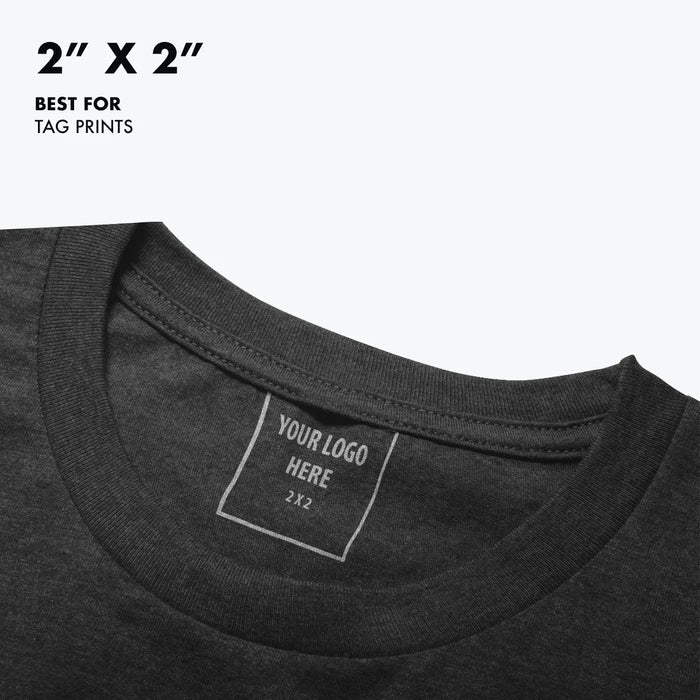
Table of Common DTF Transfer Sizes
| Item Type | Recommended Size (inches) | Notes |
|---|---|---|
| Adult T-Shirts | 10-14 (Large), 3-6 (Small) | Consider garment styles for best fit. |
| Youth T-Shirts | 8-12 (Large), 2-5 (Small) | Size down for children's apparel. |
| Hoodies | 12-16 (Large), 4-8 (Small) | Designs can be broader due to extra fabric. |
| Hats | 3-5 | Keep designs compact for visibility. |
| Bags | 6-10 | Design placement is key for accessibility. |
This table outlines common sizes for various items when using DTF transfers. It serves as a handy reference for ensuring your designs fit appropriately on different apparel types. By following these guidelines, you can enhance the visual impact of your custom creations.
Pros and Cons
- Pros:
- Vibrant Colors: DTF transfers produce stunningly bright colors, making your designs stand out in any setting.
- Versatile Fabric Compatibility: Works well on various fabrics, allowing for a broad range of applications.
- Durability: When applied correctly, DTF transfers can withstand multiple washes, ensuring longevity.
- No Minimum Orders: Ideal for small businesses or hobbyists, allowing for flexibility in production.
- Cons:
- Initial Costs: High-quality printers and materials can be a significant upfront investment.
- Learning Curve: New users may find the process challenging as they learn to perfect their technique.
- Heat Sensitivity: Improper application can lead to peeling or fading of designs over time.
Weighing the pros and cons of DTF transfers is essential for making informed decisions about your custom printing needs. On one hand, DTF printing offers vibrant colors and versatility that can elevate your designs. On the other hand, the initial investment and learning curve may pose challenges for newcomers. Ultimately, understanding these factors will help you navigate the DTF printing landscape more effectively and make the most of this innovative technology.
Frequently Asked Questions
- What types of fabrics work best with DTF transfers?
DTF transfers are highly versatile and can adhere well to various fabrics, including cotton, polyester, and blends. However, it's essential to select the right inks and settings for each fabric type to achieve optimal results. Cotton typically yields vibrant prints, while polyester may require special inks for durability.
- How do I properly care for garments with DTF transfers?
To extend the life of DTF-transferred garments, wash them in cold water and avoid bleach. Air drying is recommended to prevent damage from high heat. Providing customers with clear care instructions can significantly enhance the durability of their custom apparel.
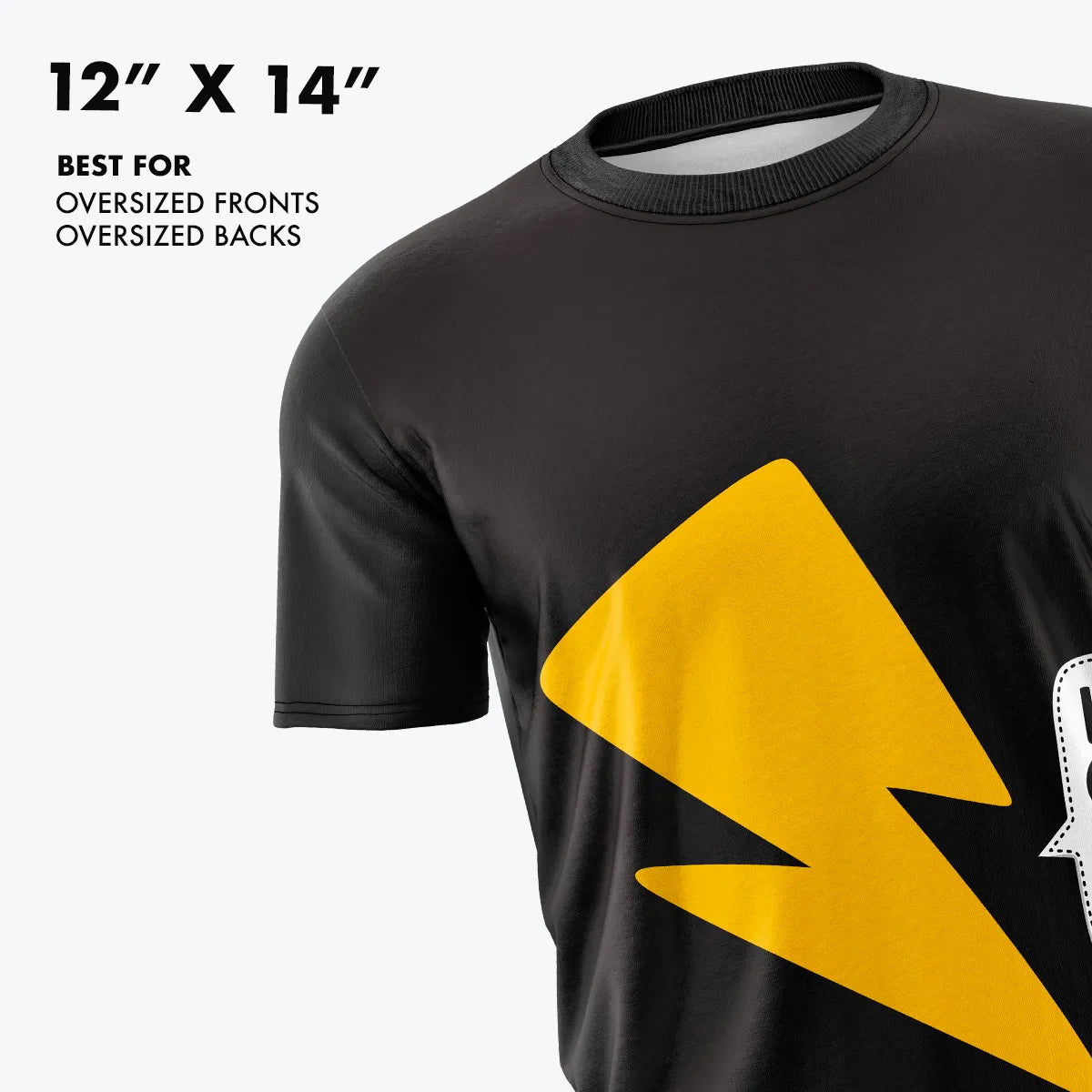
- Can I use DTF transfers for small designs like logos?
Absolutely! DTF transfers are excellent for both large graphics and smaller designs like logos or text. Just ensure that the size is appropriate for the item, typically ranging from 2-6 inches for small logos to maintain visibility and impact.
Conclusion
Mastering DTF transfers requires a combination of knowledge about sizing, design elements, and application techniques. By understanding the nuances of this printing method, you can create stunning, long-lasting designs that resonate with your audience. From selecting the right printer to carefully considering the size and placement of your designs, every detail plays a crucial role in the success of your custom apparel. As you continue to learn and experiment with DTF printing, you’ll find that the possibilities are endless, allowing you to unleash your creativity and meet the growing demand for personalized products.


No comments:
Post a Comment